
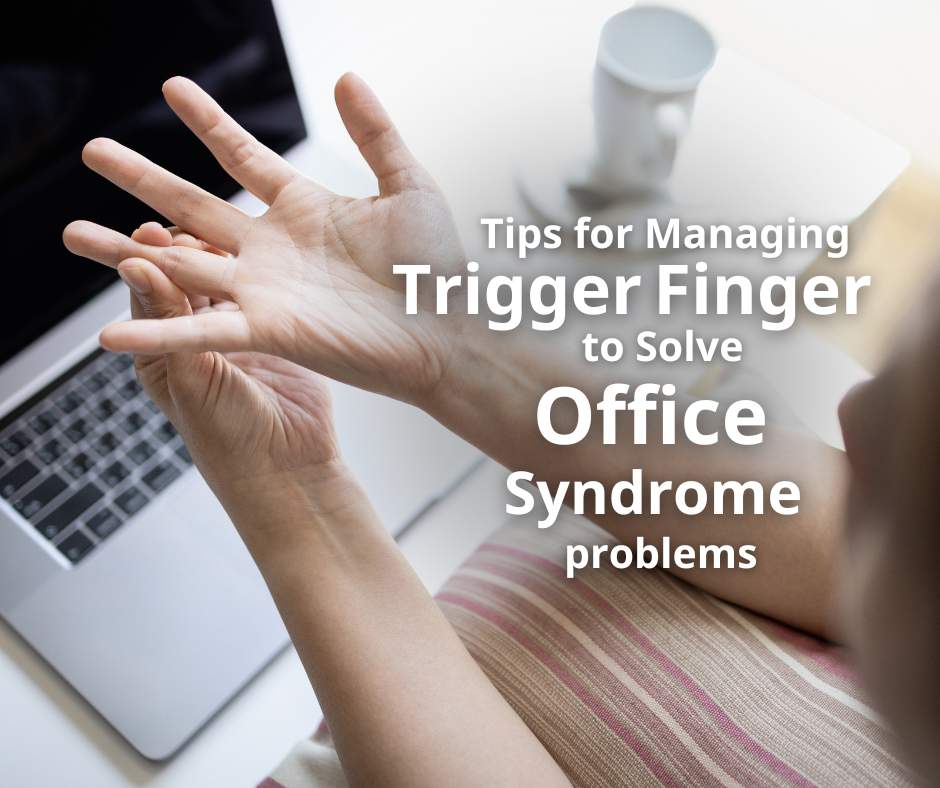
@dr.pongbonetalk เคยมั้ยครับ ตื่นเช้ามาปวดนิ้ว มือหงิกมืองอ เหยียดให้ตรงได้ลำบาก นั่นเป็นสัญญาณระยะเริ่มต้นของนิ้วล๊อกแล้วนะครับ วันนี้หมอมีวิธีป้องกันง่ายๆ ด้วยตัวเอง ไปฟังกันครับ ##เทรนด์วันนี้##รู้หรือไม่##หมอกระดูก##หมอกระดูกหาดใหญ่##หาดใหญ่##สังคมต้องรู้##ฉันเพิ่งรู้##หมอโป้ง##คุยเฟื่องเรื่องกระดูก##กระดูก##สายสุขภาพ##คนรักสุขภาพ##อาหารสมอง##สายความรู้##หมอใจดี##ดูแลสุขภาพ#รักสุขภาพรักตัวเอง #นิ้วล็อค @หมอโป้ง คุยเฟื่องเรื่องกระดูก @หมอโป้ง คุยเฟื่องเรื่องกระดูก @หมอโป้ง คุยเฟื่องเรื่องกระดูก ♬ original sound - หมอโป้ง คุยเฟื่องเรื่องกระดูก
In the digital age, where most work involves computers and electronic devices, office syndrome has become a common health issue, especially trigger finger, which is frequently observed among office workers. This article will introduce methods to manage and prevent trigger finger for those who need to use computers for extended periods.
1. Symptoms and Stages of Trigger Finger in Office Workers
What is trigger finger? Trigger finger results from repetitive and strenuous hand use, leading to tendon inflammation. Understanding the symptoms and stages of trigger finger can help in managing it effectively.
Stages of Trigger Finger
- Initial Stage: Initially, patients often feel tightness and finger pain, especially when moving or stretching their fingers. This symptom usually occurs in the morning after waking up when the tendons are not fully relaxed.
- Intermediate Stage: Without treatment, the symptoms worsen. The fingers start to lock when clenching or extending, requiring force to release them. Sometimes a “click” sound may be heard when attempting to extend the fingers.
- Severe Stage: At this stage, the fingers lock permanently, cannot move normally, and the pain increases significantly. Urgent treatment is necessary to prevent other complications.

Impact on Work and Daily Life
- Reduced Work Efficiency: When experiencing finger pain and trigger finger, tasks requiring precision or speed become more challenging.
- Stress and Anxiety: Persistent symptoms lead to stress, affecting mental health.
- Decreased Quality of Life: The condition affects not only work but also daily activities such as holding objects or playing sports.
2. Initial Treatment Methods for Trigger Finger in Office Syndrome
Trigger finger, a common issue among those experiencing office syndrome, can be effectively managed with some simple home remedies. Here are some initial treatment methods to alleviate symptoms and prevent them from worsening
Rest and Activity Modification
- Resting the Hand: Reduce hand usage, especially in activities requiring significant force, such as typing or using a mouse. Take breaks every hour to allow muscles and tendons to rest.
- Changing Activities: If you need to work for extended periods, switch to activities that don’t heavily involve your hands, like reading or attending online meetings.
Hot and Cold Compress Techniques
- Hot Compress: Apply a warm cloth to the affected area to improve blood circulation and reduce muscle tension.
- Cold Compress: After using a hot compress, apply a cold cloth to reduce inflammation and relieve pain. Alternating between hot and cold compresses can yield the best results.
Trigger Finger Physical Exercise
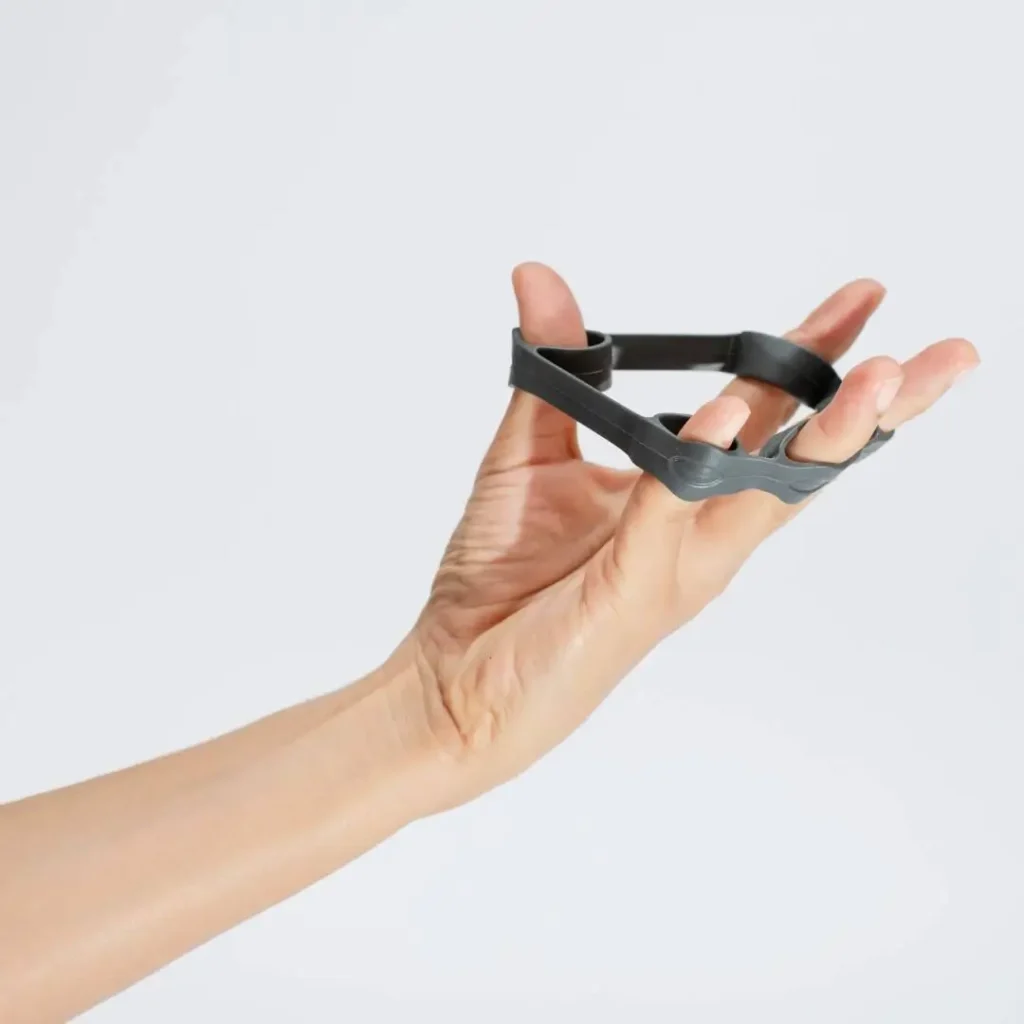
- Finger Stretching: Stretch your fingers every hour to increase tendon flexibility. You can do this by clenching your fist tightly and then slowly releasing it or by squeezing a soft ball to exercise the muscles.
- Wrist Rotation: Rotate your wrist in circular motions, both clockwise and counterclockwise, to strengthen and reduce muscle tension around the wrist.
Use of Assistive Devices
- Straps or Supports: Use straps or supports to reduce pressure on the tendons, allowing you to use your hand without pain.
- Gel Mouse Pads: These can help reduce wrist pressure when using a mouse, enabling longer use without discomfort.
Medication and Other Medical Procedures
If initial methods do not alleviate finger pain, medication and other medical procedures might be necessary:
- Anti-inflammatory Medication: Non-steroidal anti-inflammatory drugs (NSAIDs), like ibuprofen, can help reduce inflammation and relieve pain.
- Corticosteroid Injections: In some cases, doctors may recommend corticosteroid injections to reduce inflammation in the affected area.
- Physical Therapy: Engaging in physical therapy can enhance muscle strength and tendon flexibility.
- Surgery: In severe cases, surgery may be considered as a last resort to release the constricted tendons.
3. Adjusting Behavior to Reduce the Risk of Trigger Finger
To prevent trigger finger or stop its symptoms from worsening, it’s essential to adjust your work habits and daily routines. Let’s explore some practical methods you can incorporate into your everyday life.
Correct Sitting Posture
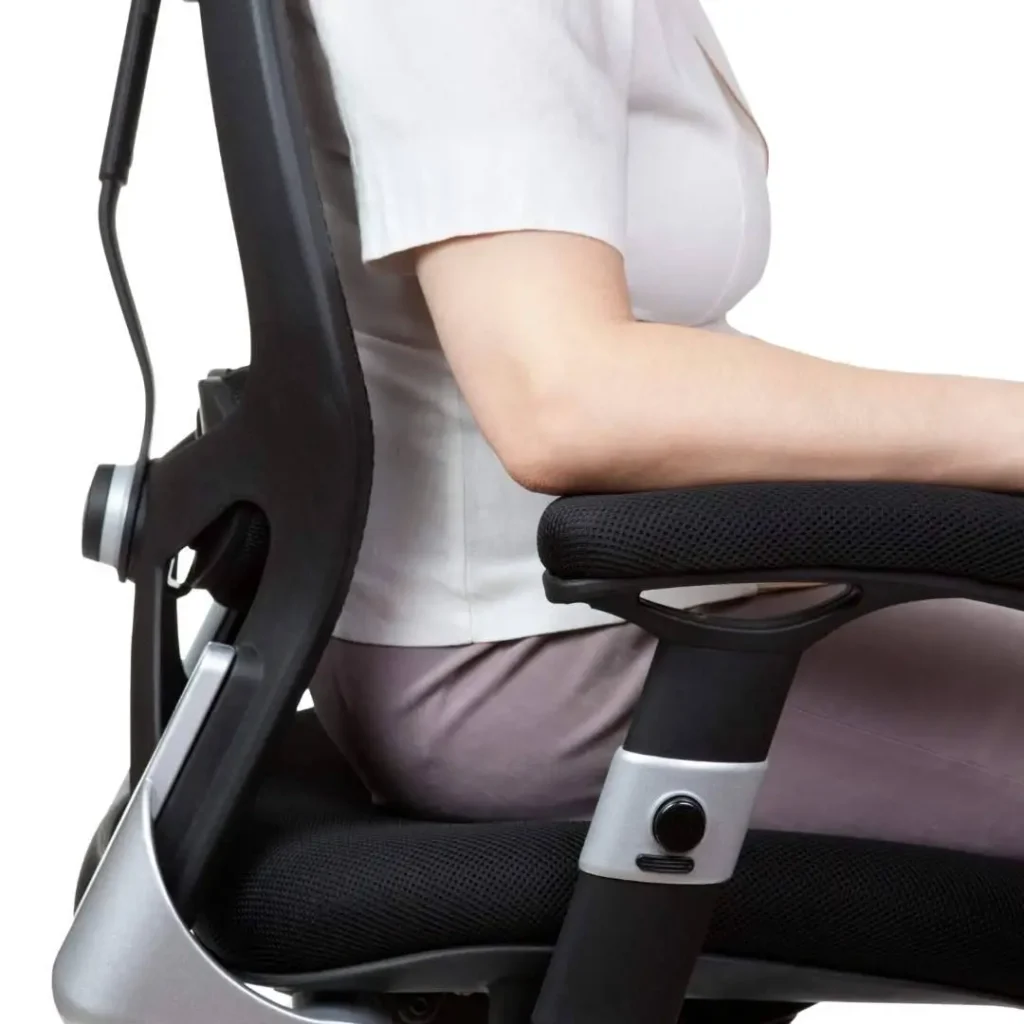
- Adjust your chair and desk height: Ensure your chair is at a level where your elbows are at a right angle with the desk, and the monitor is at eye level. This helps reduce muscle tension.
- Use a chair with back support: This reduces pressure on the spine, allowing you to sit longer without fatigue.
- Position the monitor at eye level: This minimizes the need to look up or down, reducing muscle strain in the neck and shoulders.
Take Regular Breaks for Eyes and Hands
- Take a break every hour: Stand up, walk around, or stretch to relax your muscles and reduce eye strain from the monitor.
- Practice the 20-20-20 technique: Every 20 minutes, look at something 20 feet away for 20 seconds to alleviate eye fatigue.
- Exercise your eyes: Rotate your eyes in circles, both clockwise and counterclockwise, to strengthen eye muscles.
Light Exercises to Strengthen Muscles
- Yoga for hands and arms: Certain yoga poses can enhance strength and flexibility in the hands and arms, such as Mountain Pose or Warrior Pose.
- Swimming: This activity strengthens muscles throughout the body, including the hands and arms.
- Brisk walking or light jogging: These activities stimulate blood circulation and increase muscle strength.
Avoid Overexertion
- Reduce activities that require excessive force: Avoid carrying heavy objects or using tools that require significant effort. Consider alternatives like using a cart instead of carrying heavy items.
- Ensure adequate rest: Besides work hours, make sure you have enough rest each day to allow your body to recover.
- Avoid alcohol and smoking: These substances can negatively affect blood circulation and increase the risk of tendon inflammation.
Dealing with finger pain is simple if you know how to care for yourself properly. Simple measures like resting, performing trigger finger physical exercise, and adjusting work habits can help. If symptoms become severe, consult a doctor for appropriate trigger finger treatment. These strategies will reduce the likelihood of developing trigger finger and help you maintain a higher quality of life despite office syndrome challenges.
Read our articles
Read other related articles
Trigger finger by Mayo Clinic
- Trigger Finger by Pravit Sukcharoenchaikul, M.D. from Samitivej hospitals
- Trigger Finger by Cleveland Clinic
- Trigger Finger by American Society for Surgery of the Hand
- Trigger finger by NHS