@dr.pongbonetalk วันนี้หมอมีเคสของหมอจะมาเล่าให้ฟัง และมีทริกเล็กๆน้อย ท้ายคลิปให้ทุกๆคนด้วย ว่าสรุปเราแค่อ้วน?? หรือมีโรคร้ายซ่อนอยู่?? ฟังให้จบนะครับ #หมอกระดูก #หมอ #แพทย์ #หมอโป้ง #คุยเฟื่องเรื่องกระดูก #มะเร็ง #มะเร็งระยะสุดท้าย #มะเร็งตัวร้าย #ผู้ป่วยมะเร็ง #เทรนด์วันนี้ #อ้วน #มะเร็งไขมัน #ไขมัน @หมอโป้ง คุยเฟื่องเรื่องกระดูก @หมอโป้ง คุยเฟื่องเรื่องกระดูก @หมอโป้ง คุยเฟื่องเรื่องกระดูก ♬ Teteh - Doel Sumbang
Bone cancer and obesity share some similar symptoms share some similar symptoms, such as changes in leg size, which can lead many people to misunderstand and overlook dangerous signs. Observing bodily abnormalities and the distribution of fat is crucial for timely diagnosis and treatment.
Warning Signs Not to Ignore: It is not obesity
To prevent oneself from falling into the condition of bone cancer, if you have these warning signs, you should immediately consult a doctor for diagnosis.
Changes in Leg Size
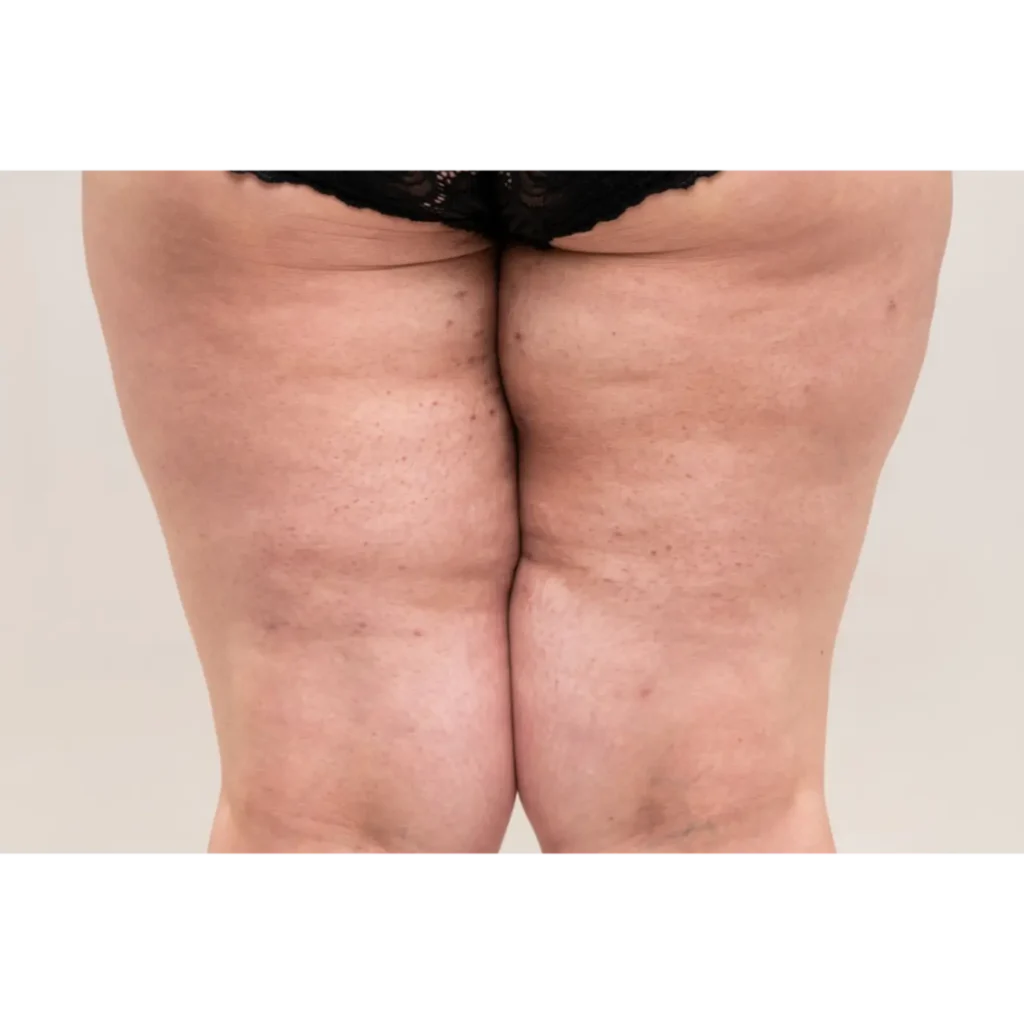
If you notice that your leg size has increased abnormally in a short period without weight gain or fat accumulation due to obesity, special attention should be paid. This rapid change may be an early sign of bone cancer, especially if accompanied by other symptoms like bone pain, particularly at night, or a growing lump in the leg.
Difference in Size Between Both Legs
Observing the difference in size between both legs is another method to check for abnormalities. If one leg is noticeably larger than the other without injury or unequal usage, it may be a sign of bone cancer growing in that leg. This difference is unlikely to result from obesity, which usually affect both legs equally.
Lump in the Leg Without Pain
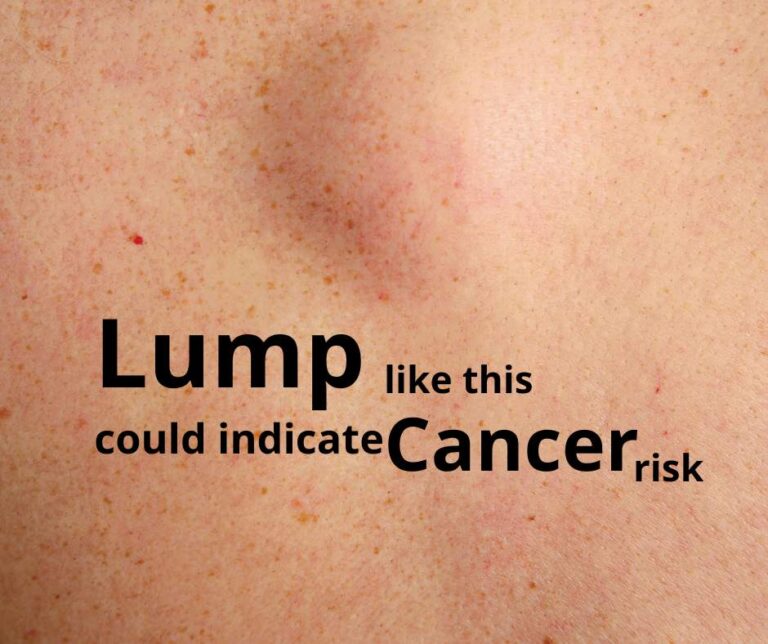
Early-stage bone cancer may not cause clear pain. Therefore, waiting for pain before seeing a doctor might be too late. Observing changes in leg size or bone shape without pain is crucial. If you find abnormalities such as a growing lump in the leg without pain, you should consult a doctor promptly.
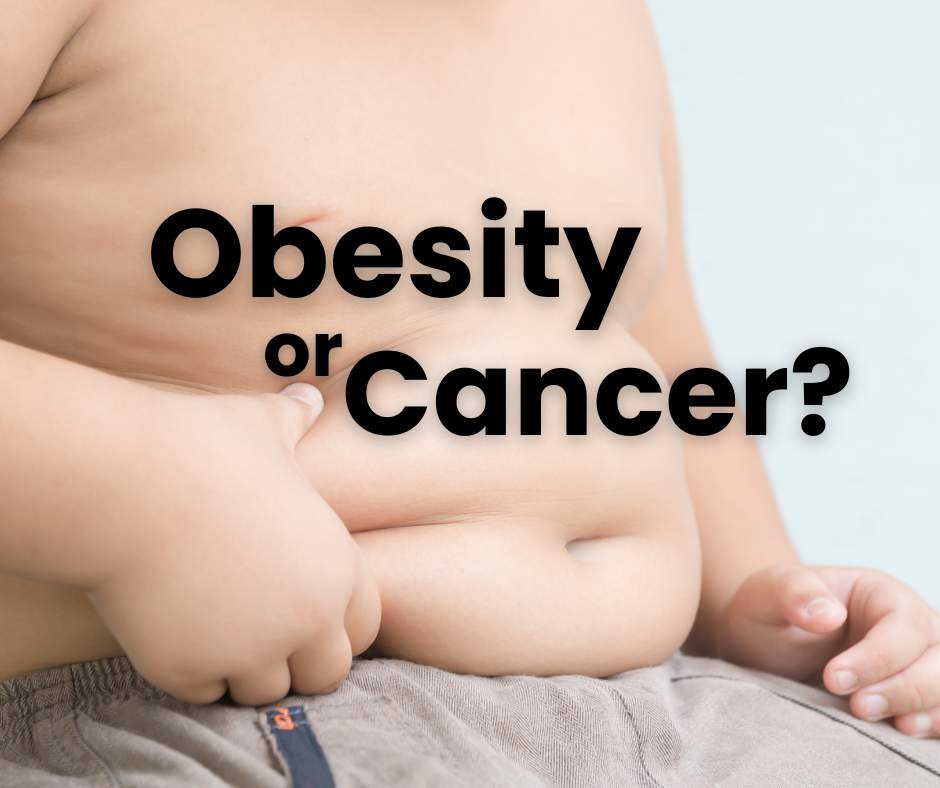
Distinguishing between being obesity and bone cancer can be challenging because both conditions can cause leg enlargement. However, obesity typically affects the entire body and occurs gradually, while bone cancer may cause localized and more rapid changes. Additionally, fat accumulation from obesity usually makes the skin soft and elastic, whereas bone cancer may cause hard lumps or changes in bone shape.
Case Example
A 38-year-old female patient gained 7-8 kilograms in the past year. Initially, she thought she was just getting overweight. However, five months ago, someone noticed that her legs were not the same size, starting with the right leg being slightly larger than the left. Gradually, the right leg continued to grow without any pain. Due to the significant increase in size of one leg, she visited a doctor. After diagnosis, it was found to be Myxoid Liposarcoma, a type of cancer. This cancer has a 30% chance of spreading to the lungs, abdomen, and spine, necessitating prompt examination and treatment.
Steps for Treating Myxoid Liposarcoma
Myxoid Liposarcoma is a type of bone cancer that originates from abnormal fat cells. Effective treatment requires the collaboration of a multidisciplinary medical team to achieve the best outcomes for patients.
Initial Diagnosis
The diagnosis of Myxoid Liposarcoma begins with a thorough physical examination, where doctors look for abnormal lumps, especially in the limbs or torso, which are common sites for this type of bone cancer. These lumps are typically soft and gradually enlarge, often without causing pain. Radiological imaging, particularly MRI (Magnetic Resonance Imaging), is crucial as it provides the clearest images of the tumor and helps define its boundaries accurately. Additionally, a CT scan (Computed Tomography) may be performed to assess the tumor’s spread.
Confirmation of the diagnosis is achieved through a biopsy, where a tissue sample is taken for pathological examination. This helps determine the type and severity of the cancer, and genetic testing may be conducted to identify specific gene mutations characteristic of Myxoid Liposarcoma. It is important to distinguish this condition from being overweight or having common fat deposits, as the lumps from obesity have different characteristics.
Surgery and Radiation Therapy
The primary treatment for Myxoid Liposarcoma is surgical removal of the tumor. The goal is to excise all cancerous tissue along with some surrounding healthy tissue (wide local excision) to minimize the risk of recurrence. In cases where the tumor is large or located in a difficult-to-operate area, preoperative treatments like radiation therapy or chemotherapy may be considered to shrink the tumor first.
Radiation therapy is often used in conjunction with surgery, either before or after the operation, depending on the doctor’s discretion. Preoperative radiation helps reduce the tumor size, making surgery easier, though it may increase the risk of surgical complications. Postoperative radiation aims to eliminate any remaining cancer cells and reduce the chance of recurrence.
Post-Treatment Care
After treatment, patients require close and regular follow-up to monitor for recurrence and manage any side effects of the treatment. Typically, follow-up visits are scheduled every 3-6 months for the first 2-3 years, and then every 6-12 months thereafter. These visits include physical examinations, radiological assessments of the previously affected area, and screening for metastasis, particularly to the lungs, a common site for cancer spread.
Patients are also advised on lifestyle changes to improve their health, such as eating a nutritious diet, engaging in appropriate exercise, and avoiding risk factors to reduce the likelihood of cancer recurrence and enhance their quality of life. Psychological support is equally important, as patients may experience anxiety or depression due to their illness. Encouragement and support from family and the medical team play a vital role in the physical and mental recovery of the patient.
Prevention and Monitoring of Recurrence
The recurrence of cancer is a significant concern for those who have undergone treatment. Proper monitoring and prevention are crucial, especially during the first five years after treatment, which is the period of highest risk. Preventing recurrence involves several factors, including regular health check-ups, observing abnormal symptoms, and adopting a healthier lifestyle.
Annual Health Check-ups
Annual health check-ups are an effective way to monitor the recurrence of cancer, particularly for those who have had bone cancer. Modern technology like MRI scans helps doctors detect abnormalities early. MRI, which uses electromagnetic waves to produce high-resolution images, aids in accurate diagnosis without the radiation exposure associated with X-rays. Additionally, blood tests and general physical examinations are important for tracking overall health and identifying potential issues.
Observing and Reporting Abnormalities
Individuals who have undergone cancer treatment should pay close attention to any abnormal symptoms, such as unusual pain, especially bone pain that occurs at night, which may be a sign of bone cancer. Other symptoms to watch for include unexplained weight changes, such as rapid weight loss or significant weight gain leading to overweight, which can increase the risk of certain types of cancer. If any abnormalities are noticed, it is crucial to consult a doctor immediately.
Adopting a Healthier Lifestyle
Lifestyle changes and obesity management are a key factor in preventing the recurrence of cancer. This includes weight management and a healthy diet. Obesity is a significant risk factor for many types of cancer, making it important to control body fat. Consuming healthy fats, such as unsaturated fats from plant oils, and avoiding saturated fats from animal products is recommended. Regular exercise helps reduce the risk of cancer recurrence and aids in weight management, lowering the risk of obesity. Quitting smoking and limiting alcohol intake are also important preventive measures.
Managing stress and ensuring adequate rest are also crucial for boosting the immune system and reducing the risk of cancer recurrence. Patients should engage in suitable relaxation activities, such as meditation or light exercise.
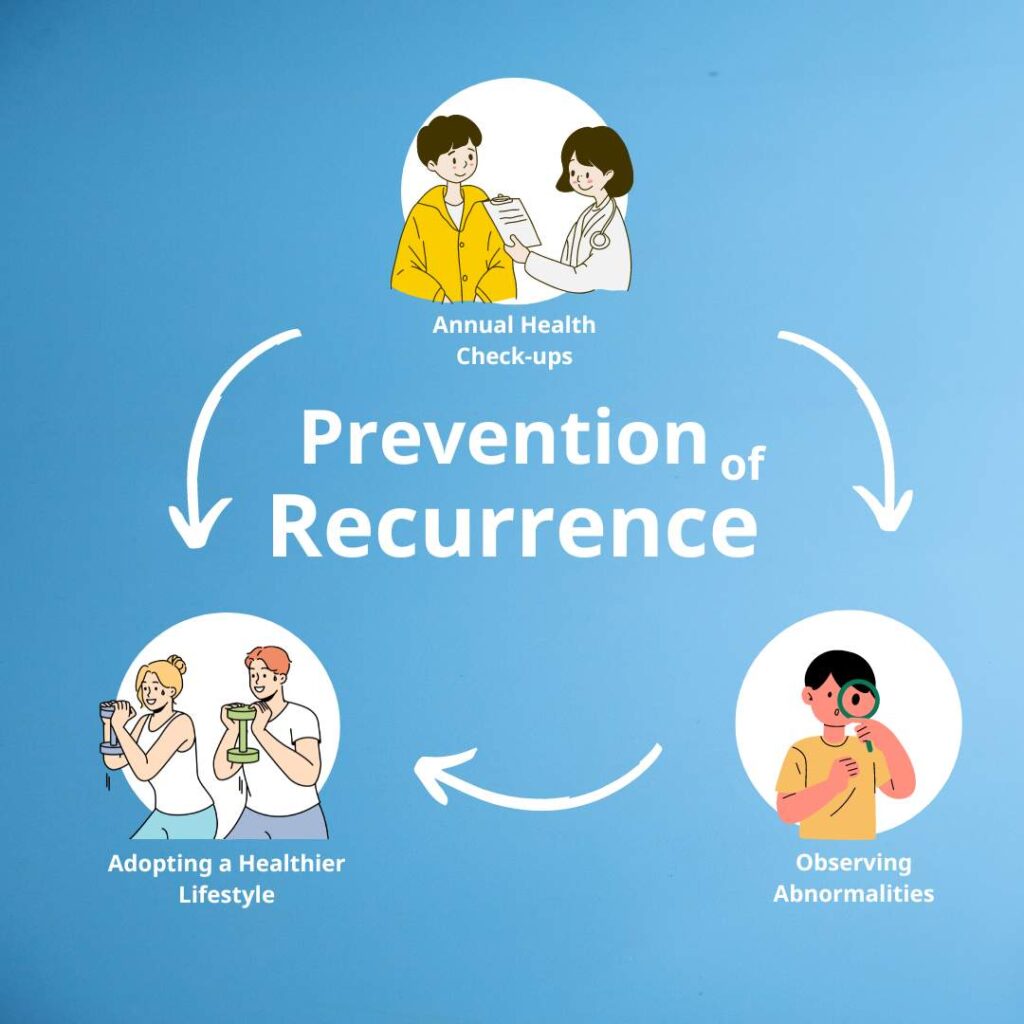
Distinguishing between bone cancer and overweight can be challenging, but closely monitoring abnormal symptoms and fat distribution is essential. If any abnormalities are detected, consulting a doctor promptly for accurate diagnosis and treatment is necessary. Maintaining good health and proper weight management can significantly reduce the risk of recurrence.
In conclusion, being attentive to unusual bodily changes is crucial for early cancer detection. Signs of cancer to watch for include abnormal bowel movements, difficulty swallowing, persistent cough, unusual vaginal discharge, slow-healing wounds, unusual lumps in the body, and tinnitus. If you experience any of these symptoms, seek medical advice promptly. Regular screenings can greatly improve the chances of successful treatment and recovery.
Read our articles
Read other related articles
- Fat Cells and Cancer Risk by National Institutes of Health
- Liposarcoma by Mayo Clinic
- Fat Consumption by National Cancer Institutes Cancer Trends Progress Report
- Belly Fat Linked to Cancer by Ramsay Healthcare
- How does obesity cause cancer? by MD Anderson Cancer Center