
@dr.pongbonetalk ข้อหลุด อย่าดึงด้วยตัวเอง ต้องดูคลิปนี้!! #ข้อหลุด #ดึงข้อ #ไหล่หลุด #ข้อเท้าหลุด #เข่าหลุด #ข้อ #เทรนด์วันนี้້ #รีวิวสายสุขภาพ #หมอใจดี #ดูแลสุขภาพ #lifestyle #สายสุขภาพ #หมอกระดูก #หมอโป้ง #คุยเฟื่องเรื่องกระดูก #หมอโป้งคุยเฟื่องเรื่องกระดูก #เทรนด์วันนี้ ♬ original sound - หมอโป้ง คุยเฟื่องเรื่องกระดูก
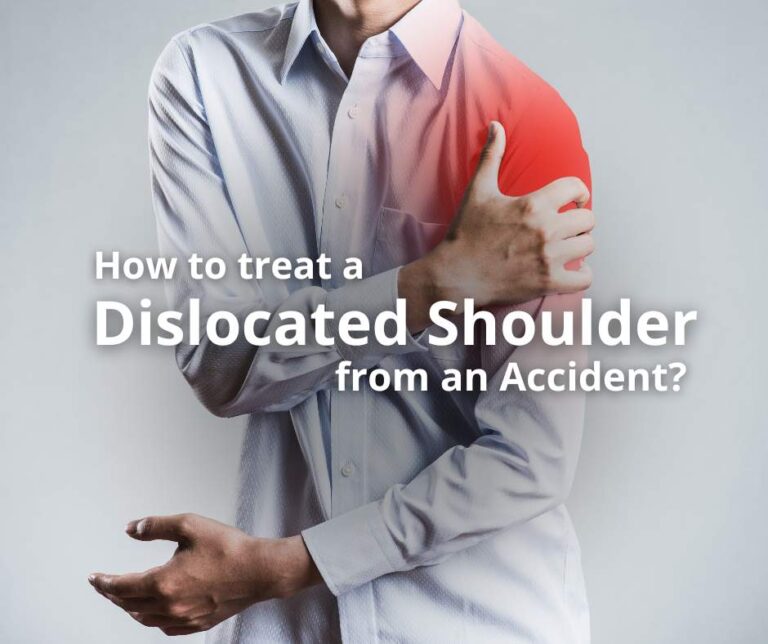
A dislocated joint or dislocation is a common issue encountered in daily life, especially among individuals who engage in intense physical activities, such as athletes or those involved in accidents. Incorrect handling of this condition can lead to more severe problems. While it might seem like a quick and easy solution to reposition a joint that has been dislocated by yourself, this action can cause significant damage to the bones and surrounding tissues.

1. Dangers of Self-Repositioning a Dislocated Joint
Attempting to fix a dislocated joint on your own might seem like a swift solution, but it carries serious risks. Without medical supervision, repositioning a dislocated joint can result in more severe and complex injuries.
Risks to Bones and Blood Vessels
When experiencing a dislocated joint or dislocation, trying to reposition it yourself might exacerbate any existing fractures in the joint bones. Additionally, there is a risk of pinching nearby blood vessels and nerves, leading to more severe injuries. Compression of blood vessels can impede normal blood flow, potentially resulting in blood loss and more serious injuries. If blood flow is compromised and not treated promptly and correctly, amputation might be necessary to prevent infection and severe damage. Furthermore, blood vessel injuries can lead to complications such as inflammation or infection at the injury site, complicating treatment and prolonging recovery.
Dangers to Nerves
Self-repositioning a dislocated joint can compress or damage nearby nerves, potentially causing loss of sensation or movement in the affected area. Nerve injuries can result in prolonged numbness or pain, and recovery might take a long time. Compressed nerves can lead to long-lasting numbness or pain, requiring extended recovery periods. Nerve injuries can affect movement and function in the injured area, and in some cases, may cause temporary or permanent paralysis, impacting the patient’s quality of life in the long term.
Recurrent Injuries
Careless attempts to reposition a dislocated joint can lead to recurrent injuries, such as additional fractures or tears in the ligaments and tissues supporting the joint. These recurrent injuries can complicate treatment and rehabilitation, requiring more time to restore normal joint function. Recurrent injuries can lead to severe complications and necessitate more complex treatments. Additionally, they can cause the patient to experience pain and discomfort in daily life, affecting work and activities that require joint movement.
2. Correct First Aid Procedures
Providing correct first aid is a crucial step in managing symptoms of a dislocated joint or dislocation. Proper first aid can help reduce the risk of further injury and make the injured person feel more comfortable.
Supporting the Injured Limb
When a dislocated joint or dislocation occurs, it is important to administer first aid correctly to prevent additional injuries. The first step involves assessing the injury to determine the severity. If the injury is severe or if there is any doubt about the extent of the damage, it is essential to seek professional medical help immediately. However, while waiting for medical assistance, using available materials, such as cloth or splints, to support the joint and bones in a comfortable and immobile position is advisable. This helps to stabilize the area and prevent further movement, which could exacerbate the injury.
Stabilizing the limb helps reduce the risk of further injury and increases the comfort of the injured person. It also alleviates joint pain and prevents the joint from moving further, which could worsen the injury. It is important to ensure that the support does not cut off circulation to the injured area. Checking for signs of circulation, such as warmth and color, can help ensure that the support is not too tight. Additionally, communicating with the injured person to ensure they are comfortable and not experiencing increased pain is crucial.
Cold Compression
Applying cold compression to the injured area is an effective method for reducing swelling and pain. The cold helps constrict blood vessels, which reduces blood flow to the injured area and minimizes swelling. Using ice or a cold pack on the injured area should be done within the first 24-48 hours after the injury occurs. Cold compression helps reduce inflammation and makes the injured person feel more comfortable. It is important to apply the cold compress for 15-20 minutes at a time and then remove it to prevent skin damage or frostbite.
Cold compression also decreases blood flow to the injured area, which helps reduce swelling and prevents severe inflammation. It can be beneficial to elevate the injured limb while applying cold compression, as this can further help reduce swelling. Ensuring that there is a barrier, such as a cloth, between the ice and the skin can prevent skin damage. Regularly applying cold compression during the initial phase of injury management can significantly aid in the recovery process.
Elevating the Injured Limb
Elevating an injured ankle dislocation or joint above heart level helps reduce swelling and improves blood circulation. This position allows gravity to assist in draining excess fluid away from the injured area, thereby reducing swelling. Raising the limb decreases pressure in the injured area and facilitates faster recovery. It is important to ensure that the limb is supported comfortably in the elevated position, using pillows or cushions if necessary.
Elevating the limb also alleviates pain and prevents complications that might arise from the injury. By reducing swelling, elevation can help decrease the pressure on surrounding tissues and nerves, which can alleviate pain. It is important to maintain the elevation for extended periods, especially during rest, to maximize its benefits. Encouraging the injured person to rest and avoid unnecessary movement can further aid in the healing process.
3. Treatment and Rehabilitation
Treatment and rehabilitation are crucial steps in managing symptoms of a dislocated joint or dislocation. These processes are essential not only for alleviating immediate discomfort but also for ensuring long-term joint health and preventing future complications. Proper medical treatment is vital to ensure that the dislocated joint or dislocation is properly addressed, minimizing the risk of further injury or chronic issues.
Examination and X-ray
After initial first aid measures have been administered, seeking medical treatment becomes a priority. This step is crucial to ensure that the dislocated joint or dislocation is managed appropriately. A healthcare professional will conduct a comprehensive examination, which may include a physical assessment and diagnostic imaging, such as X-rays. These X-rays are instrumental in identifying any abnormalities or fractures in the bones and joints. By doing so, the doctor can gain a clear understanding of the extent of the injury, which is essential for devising an effective treatment plan. This thorough examination process allows the healthcare provider to tailor a treatment strategy that addresses the specific needs of the patient, thereby reducing the risk of recurrent injuries and promoting optimal recovery.
In some cases, additional imaging techniques such as MRI or CT scans may be employed to provide a more detailed view of the affected area. These advanced imaging methods can reveal soft tissue damage, such as ligament tears or cartilage injuries, that might not be visible on standard X-rays. Understanding the full extent of the injury is crucial for determining whether surgical intervention is necessary or if conservative treatment options, such as immobilization or physical therapy, will suffice.

Rehabilitation and Physical Therapy
Once the initial treatment phase is complete, the focus shifts to rehabilitation and physical therapy. This stage is vital for restoring the strength, flexibility, and functionality of the affected joints and surrounding areas. Physical therapy plays a pivotal role in helping patients regain their mobility and return to their daily activities without pain or limitations. For those who have experienced an ankle dislocation, specialized exercises are designed to target the specific muscles and tendons that support the ankle, promoting healing and preventing future injuries.
Rehabilitation programs are tailored to the individual needs of each patient, taking into account the severity of the injury, the patient’s age, and their overall health status. These programs often include a combination of stretching, strengthening, and balance exercises. Stretching exercises help improve flexibility and range of motion, while strengthening exercises focus on building the muscles around the joint to provide better support and stability. Balance exercises are particularly important for preventing falls and further injuries, especially in cases of ankle dislocation.
In addition to exercise, physical therapists may use other modalities such as ultrasound therapy, electrical stimulation, or massage to enhance healing and reduce pain. Education is also a key component of rehabilitation, as patients learn about proper body mechanics, posture, and techniques to avoid re-injury. By actively participating in their rehabilitation program, patients can significantly improve their outcomes and reduce the risk of chronic joint pain.
Future Prevention
Preventing future dislocations or dislocated joints is a critical aspect of long-term joint health. Engaging in regular exercise to strengthen the joints and surrounding muscles is one of the most effective ways to reduce the risk of these conditions. A well-rounded fitness routine should include cardiovascular exercises, strength training, flexibility exercises, and balance activities. These exercises not only enhance joint stability but also improve overall physical fitness and well-being.
Wearing appropriate footwear is another important preventive measure. Shoes that provide adequate support, cushioning, and stability can significantly reduce the risk of ankle dislocation and other joint injuries. It’s essential to choose footwear that is suitable for the specific activity or sport you are engaging in, as different activities place varying demands on the feet and ankles.
Working with exercise or physical therapy specialists can provide valuable guidance on how to prevent injuries and maintain the health of your joints effectively. These professionals can design personalized exercise programs that address your unique needs and goals. They can also teach you proper techniques for lifting, bending, and other movements to minimize stress on the joints.
Attempting to self-correct a dislocated joint or dislocation might seem like a convenient option, but it carries significant risks. Without proper knowledge and expertise, attempting to realign a joint can lead to further damage, increased pain, and even permanent disability. Therefore, it is crucial to seek professional medical care for any joint injuries. Proper first aid, followed by medical treatment, is the most effective way to prevent severe injuries and loss of joint function in the future.
Read our articles
Read other related articles
- Joint Dislocation by Penn Medicine
- Dislocation by Cleveland Clinic
- Overview of Dislocations by Danielle Campagne, MD, University of California, San Francisco
- Joint Dislocation by UPMC Life Changing Medicine
- Dislocated joints by Saint John Ambulance