
@dr.pongbonetalk เคยมั้ยครับ กับการรู้สึกไม่สบายตัว มีไข้ อ่อนเพลียไม่มีแรง ปวดเมื่อยตามตัว ดูเผินๆ ก็เหมือนเป็นไข้หวัด หรือไม่สบายทั่วๆไป แต่รู้มั้ยครับว่า อาการแบบนี้เป็นสัญญาณของมะเร็งกระดูกชนิดหนึ่งได้ โดยเฉพาะถ้าคุณยังอายุไม่ถึง 30 ปี #เทรนด์วันนี้ #หมอกระดูก #หมอ #แพทย์ #หมอโป้ง #คุยเฟื่องเรื่องกระดูก #มะเร็ง #มะเร็งระยะสุดท้าย #มะเร็งตัวร้าย #ผู้ป่วยมะเร็ง #ไข้ #อ่อนเพลีย #ปวดเมื่อย #ก้อน @หมอโป้ง คุยเฟื่องเรื่องกระดูก @หมอโป้ง คุยเฟื่องเรื่องกระดูก @หมอโป้ง คุยเฟื่องเรื่องกระดูก ♬ Kgf Beat - Nkdaddy
Bone Cancer is a severe disease caused by abnormal cell growth in the bones. Although relatively rare, it should not be overlooked as it can be a silent threat to life. This is especially true for children, teenagers, and adults under 30, who are at the highest risk and have the highest incidence of Bone Cancer. Therefore, it’s crucial to closely monitor any unusual symptoms.
1. Symptoms Indicating Bone Cancer
Bone Cancer is a serious illness that may not show clear symptoms in its early stages but can rapidly worsen once it develops. Therefore, recognizing early warning signs is vital for timely diagnosis and treatment, which can increase the chances of a complete cure.
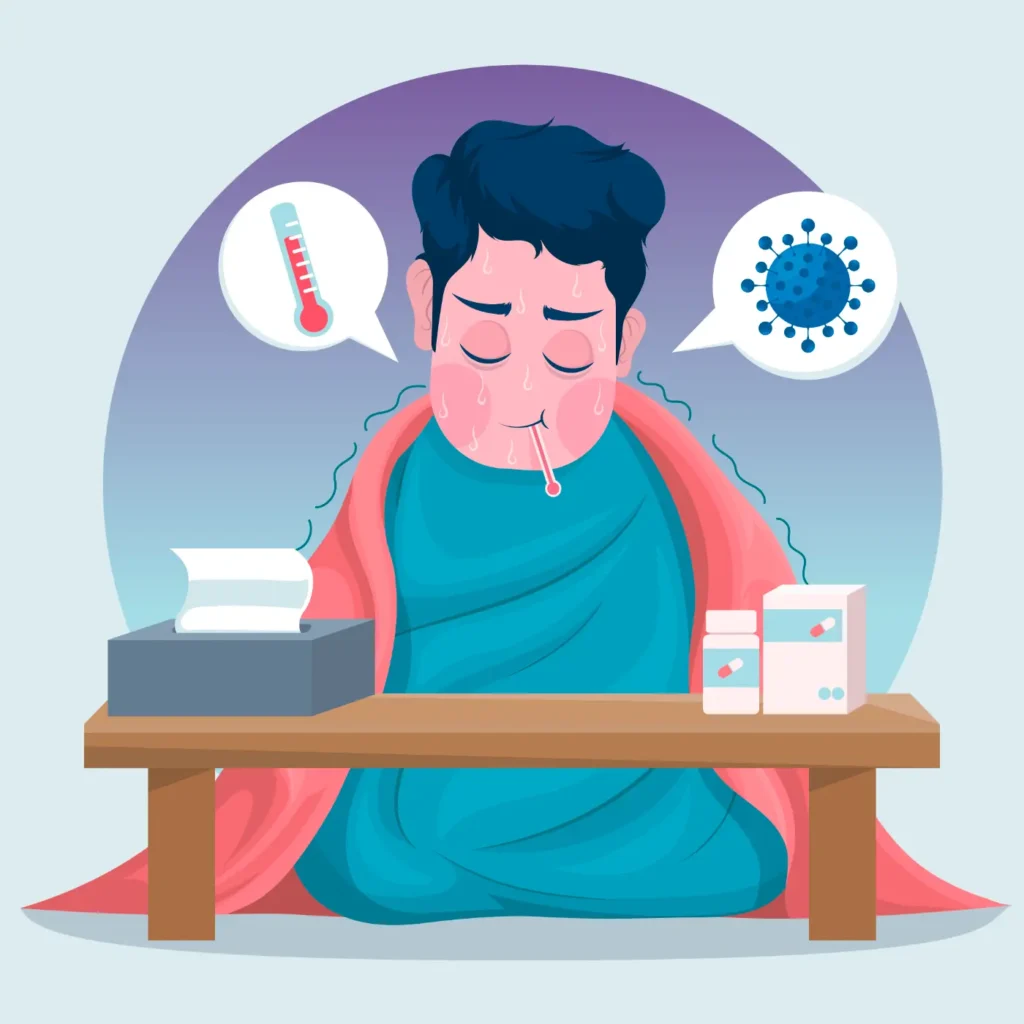
Fever and Fatigue
Patients with Bone Cancer may experience fever and feel fatigue. While these are common symptoms, they are not specific to this disease and can occur in other types of cancer, such as blood or lymph node cancers, as well as gastrointestinal cancers. These conditions may cause persistent fever lasting more than a week, fatigue, and loss of appetite.
Body Aches
Bone Cancer patients often experience pain in their body or bones, particularly continuous pain that worsens at night. This could signal that the cancer has spread to the bones, causing pain, swelling, or lumps. The pain may come and go initially but will gradually intensify, unlike muscle inflammation or joint sprains that typically hurt during movement.

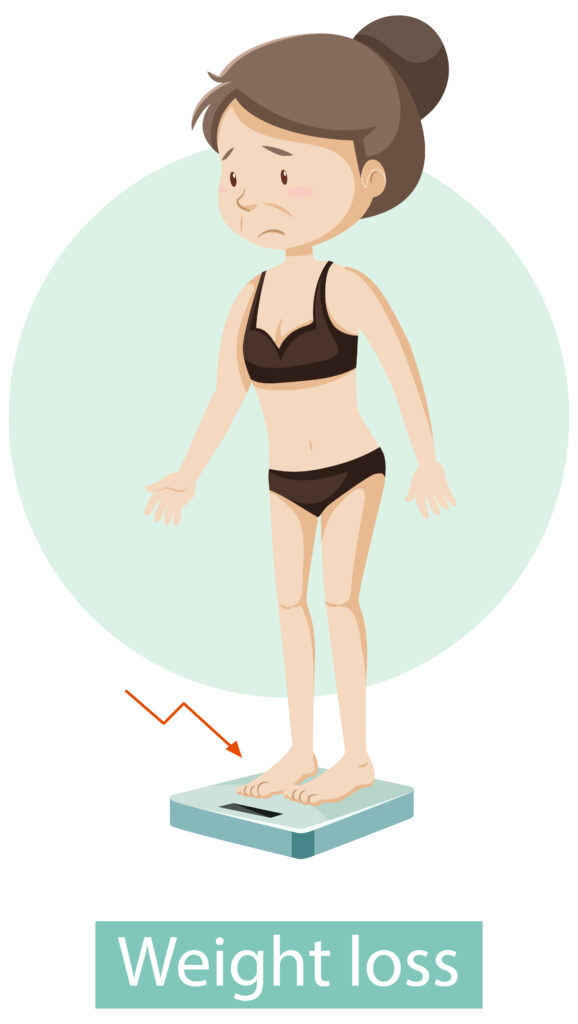
Weight Loss and Hard Lumps
Patients with Bone Cancer may exhibit various symptoms indicating abnormalities, such as unexplained weight loss without intentional dieting or changes in eating habits. They may also develop lumps or protrusions on their bones, bone deformities, or fragile bones that fracture easily without apparent cause. In severe cases, tumors may cause wounds, chronic bleeding, or spread to the bone marrow, resulting in anemia and fatigue.
Bone Cancer patients may experience additional symptoms depending on the cancer’s spread to other organs. For instance, if the cancer metastasizes to the brain, it may cause headaches, nausea, vomiting, seizures, or neurological abnormalities. If it spreads to the digestive system, patients may experience abdominal pain, bloating, diarrhea, loss of appetite, or bloody stools.
In some cases, patients may experience back or hip pain due to tumors pressing on nerves or spreading to the spine and pelvis, causing radiating pain to the legs or other areas. They may also experience numbness or weakness in the limbs if tumors compress the spinal cord.
In the advanced stages of this cancer, patients often experience severe fatigue, pronounced paleness, and significant weight loss. They may develop blood infections or abnormal bleeding as cancer cells invade and destroy bone marrow, disrupting blood cell production. Bone pain becomes increasingly severe, requiring strong painkillers like morphine in high doses. Patients may also experience seizures due to abnormally high blood calcium levels resulting from bone deterioration.
2. High-Risk Groups and Age Ranges for Bone Cancer
Although bone cancer is relatively rare, it should not be overlooked or neglected as it can be a silent threat to life. This is especially true for children, teenagers, and adults under 30, who are at the highest risk and have the highest incidence of bone cancer. Therefore, it’s crucial to closely monitor any unusual symptoms.
Children and Teenagers
Primary bone cancer is the most common type in children and teenagers, meaning it originates from bone cells themselves rather than spreading from other organs. It accounts for about 6% of all childhood cancers and typically occurs near joints such as the knee, hip, shoulder, and elbow.
Common symptoms of bone cancer in children include:
- Bone pain, especially at night or after waking up
- Low-grade fever
- Abnormal growths on arms or legs
- Increased risk of bone fractures or cracks
If a child exhibits these symptoms, they should be taken to a doctor promptly for diagnosis.
Adults Under 30
Young adults under 30 are also at relatively high risk for bone cancer, particularly primary bone cancer, similar to children.
Key symptoms to watch for include:
- Chronic feverof unknown cause
- Pain in joints or bones, especially in the limbs
- Easy fatigueand weakness
- Unexplained weight loss
If these symptoms occur, it’s important to seek medical attention quickly for proper diagnosis.
Age Range with Highest Incidence
While bone cancer can occur at any age, statistics show that it’s most common in older children, teenagers, and young adults, particularly between the ages of 10 and 20. This is a period of rapid bone growth in the body.
Additionally, those who have previously had other types of cancer, such as breast cancer, lung cancer, or prostate cancer, are at risk of the cancer spreading to the bones, resulting in secondary bone cancer. This is especially true for spinal bone cancer, which is common in patients with advanced-stage cancer.
Parents and family members should pay close attention to any unusual symptoms in their children, particularly bone pain, fever, fatigue, weakness, or unexplained weight loss. Early diagnosis and treatment are crucial for the best outcomes in this cases.
3. Detection and Treatment
Bone Cancer is a severe disease that often lurks behind minor symptoms similar to common illnesses, such as flu-like symptoms including fever and fatigue. This similarity often leads patients to seek medical attention only when the disease has significantly progressed. Therefore, it’s crucial to observe unusual symptoms and consult a doctor for early diagnosis.
Early Detection
Warning signs to watch out for include:
- Chronic bone or joint pain, especially at night
- Unusually easy bone fractures or cracks
- Abnormal growths or deformities in limbs or bones
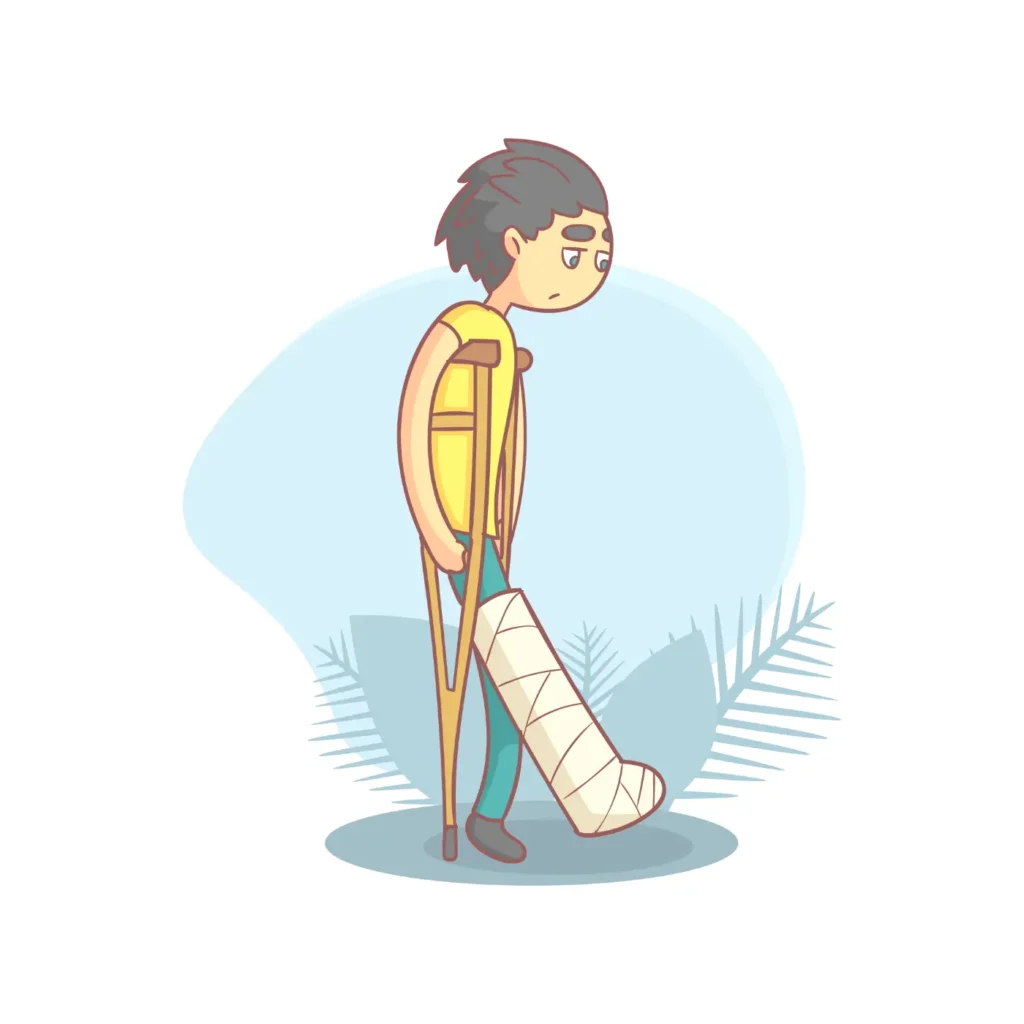
If you experience these symptoms, seek immediate medical attention for a thorough examination. This may involve X-rays, MRI, or CT scans, as well as a biopsy. The earlier the detection, the higher the chances of complete recovery.
Initial Treatment
The primary treatment for bone cancer typically involves surgery, combined with chemotherapy and radiation therapy to eliminate cancer cells. Modern surgical techniques aim to preserve as much of the organ as possible, ensuring a better quality of life post-treatment.
During chemotherapy, patients may experience side effects such as hair loss and nausea. However, these symptoms generally improve after treatment. With early-stage treatment and consistent care, the chances of full recovery are high.
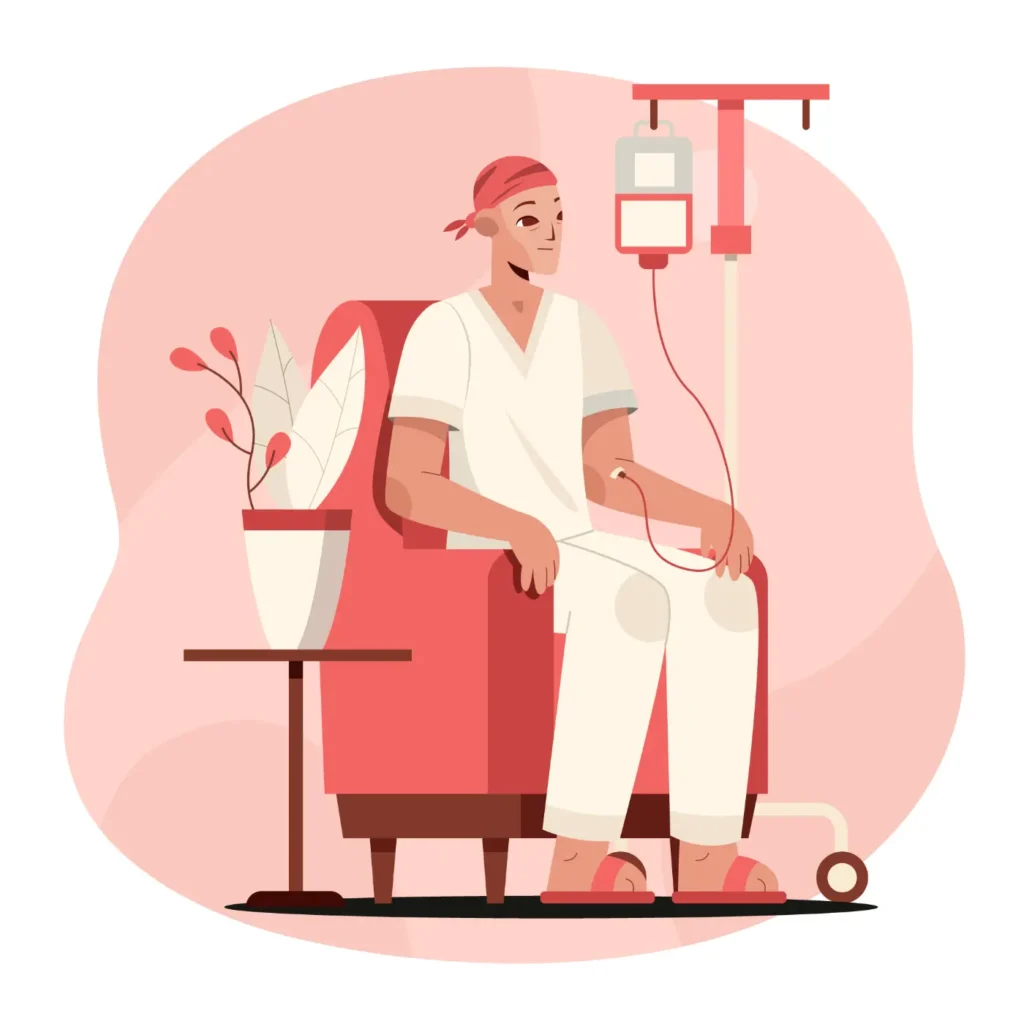
Advanced Stage Treatment
In cases where cancer has spread to other areas, such as the spine, it can cause severe pain or even paralysis due to spinal cord compression. This is a medical emergency requiring treatment within 24-48 hours, potentially involving steroids, surgery, or radiation therapy to reduce compression.
Additionally, bone cancer cells can cause abnormally high blood calcium levels, leading to constipation, frequent urination, lethargy, muscle weakness, confusion, or kidney failure. Treatment involves intravenous fluids and calcium-lowering medications.
For advanced-stage treatment, besides chemotherapy and radiation therapy to control cancer spread, surgery may be necessary to remove tumors or strengthen bones. Palliative care is also crucial to alleviate pain and improve the patient’s quality of life.
Treating advanced-stage requires a multidisciplinary medical team to provide comprehensive care and maximize the patient’s chances of a longer, quality life. While the possibility of complete recovery decreases at this stage, appropriate treatment can still significantly extend life expectancy and maintain a good quality of life.

Remember, early detection and treatment are key in fighting bone cancer. Don’t ignore persistent pain or unusual changes in your bones, as they could be more than just symptoms of fatigue or fever or flu. Regular check-ups and awareness can make a significant difference in combating this serious condition.
Related other related articles
- What is bone cancer? Bone cancer – Symptoms and causes by cancer.ca
- Primary Bone CancerBone Cancer: Symptoms, Signs, Treatment, Causes & Stages by cancer.gov
- Bone Cancer: Types, Causes, Symptoms, and More by Teresa Hagan Thomas PHD, BA, RN — Written by Brindles Lee Macon from healthline.com
- What Is Bone Cancer? by The American Cancer Society medical and editorial content team from cancer.org
- What to know about bone cancer by Yamini Ranchod, Ph.D., M.S. — Written by Adam Felman