
@dr.pongbonetalk 7 สัญญาณเตือน อาจเป็นมะเร็ง!! #หมอกระดูก #หมอ #แพทย์ #หมอโป้ง #คุยเฟื่องเรื่องกระดูก #มะเร็ง #มะเร็งระยะสุดท้าย #มะเร็งตัวร้าย #ผู้ป่วยมะเร็ง #เทรนด์วันนี้ @หมอโป้ง คุยเฟื่องเรื่องกระดูก @หมอโป้ง คุยเฟื่องเรื่องกระดูก @หมอโป้ง คุยเฟื่องเรื่องกระดูก ♬ มีไว้แค่เป็นของเธอเท่านั้น(pause) - Earth Patravee
Cancer is a serious disease that can affect anyone. Recognizing early warning signs of cancer can help detect and treat it promptly. This article presents 7 warning signals that may indicate cancer, which, if observed, should prompt an immediate visit to a doctor for proper examination and treatment.
1. Abnormal Bowel Movements or Urination: Key Signs of Cancer to Watch For
Unusual changes in poop or urination patterns can be warning signs of cancer, particularly colorectal cancer, which is one of the most common cancers in Thailand. Monitoring changes in bowel habits is crucial for early detection.
Changes in Stool Color
The color of your stool can indicate digestive system health. Pay attention to these abnormalities:
- Dark black or deep red stool may indicate bleeding in the digestive tract
- Pale white or gray stool could signal liver or bile duct problems
- Mucus or blood in the stool is a symptom often found in colorectal cancer
Additionally, changes in stool consistency, such as becoming thinner, or changes in bowel movement frequency, could also be signs of cancer, particularly colorectal cancer.
Pain During Bowel Movements
Pain during bowel movements can signal various health issues, including cancer. Colorectal cancer symptoms may include:
- Chronic abdominal pain, especially in the lower abdomen
- Discomfort or pain during bowel movements
- Alternating constipation and diarrhea persistently
If these symptoms persist for an extended period, consult a doctor for further diagnosis.

Screening for Colorectal Cancer
Screening for colorectal cancer is an effective method for early detection. Common screening methods include:
- Fecal Occult Blood Test (FOBT)
- Colonoscopy
- Carcinoembryonic Antigen (CEA) blood test
High-risk individuals, such as those with a family history of colorectal cancer or those over 50 years old, should undergo regular screenings.
2. Frequent Difficulty Swallowing: One of the Lesser-Known Signs of Cancer
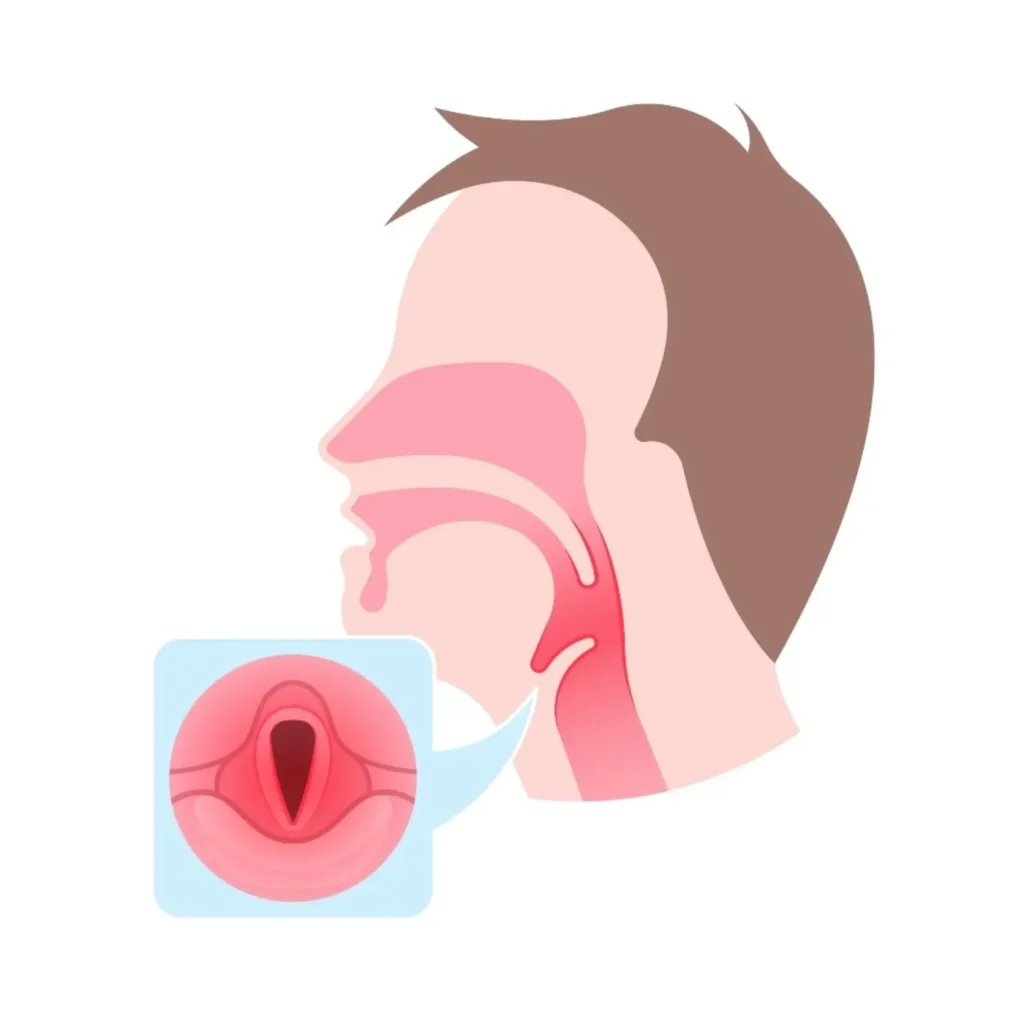
Frequent difficulty swallowing and sore throat may be warning signs of cancer in the larynx or throat area. These symptoms should not be ignored, especially if they persist for a long time.
Symptoms of Dysphagia and Sore Throat
Chronic dysphagia and sore throat are important warning signs of cancer in the larynx. Patients may experience pain or burning when swallowing food, or feel like there’s a lump stuck in their throat. Other associated symptoms may include:
- Frequent choking or coughing while eating
- Coughing up blood-tinged sputum
- Unexplained weight loss
- Loss of appetite
If these symptoms persist for more than 2-3 weeks, it’s advisable to see a doctor promptly for diagnosis.
Chronic Hoarseness
Persistent hoarseness is another crucial symptom that may indicate laryngeal cancer, especially if it lasts for more than 3 weeks. This is caused by cancerous growths on the vocal cords affecting their vibration, resulting in a hoarse or changed voice. Patients may also experience:
- Chronic cough
- Difficulty breathing
- A lump in the neck
- Ear pain
If hoarseness persists for more than 2-3 weeks without an apparent cause, consult a doctor for further evaluation.
Diagnosing Laryngeal Cancer
When laryngeal cancer is suspected, doctors will perform physical examinations and use various tools for diagnosis, including:
- General physical examination, palpating the neck area for abnormal lumps
- Laryngoscopy to examine the inside of the larynx
- Biopsy for pathological examination
- Imaging tests such as CT scan or MRI
- Blood tests to assess overall body function
Prompt and accurate diagnosis helps improve treatment effectiveness. Treatment methods depend on the stage of the disease and the location of the cancerous growth, which may include surgery, radiation therapy, and chemotherapy.
3. Chronic Cough and Abnormal Discharge: Potential Signs of Cancer
A persistent cough that lasts for more than 2 months can be one of the warning signs of cancer, particularly lung cancer. This is especially concerning if other risk factors are present, such as smoking or long-term exposure to air pollution. Chronic cough often results from irritation of the respiratory tract tissues, which may be caused by the growth of cancerous cells in the lungs.
Cough with Blood-Tinged Sputum
Observing the characteristics of sputum is crucial. If blood is present, it warrants special attention. Approximately 25-50% of lung cancer patients experience cough with blood-tinged sputum. However, coughing up blood can also be caused by other factors, such as respiratory infections or other lung diseases. Therefore, a thorough medical examination is necessary for an accurate diagnosis.
Lung Cancer Screening
When chronic cough or suspected lung cancer is present, doctors will perform various screening tests. Common methods include chest X-rays and low-dose CT scans, which provide more detailed images than standard X-rays and can detect smaller tumors more accurately. Additional tests may include bronchoscopy or tissue biopsy to confirm the diagnosis.
Treating Chronic Cough
Treatment for chronic cough depends on the underlying cause. If lung cancer is diagnosed, treatment will vary based on the stage and type of cancer, potentially including surgery, chemotherapy, radiation therapy, or targeted treatments. For non-cancerous coughs, treatment may involve cough suppressants, drinking warm water, and getting adequate rest.
Prevention remains the best approach. Avoiding smoking, maintaining a healthy diet, regular exercise, and living in a clean environment can help reduce the risk of developing lung cancer.

4. Abnormal Vaginal Discharge: Recognizing Gynecological Signs of Cancer
Excessive vaginal discharge can be a warning sign of cervical cancer, which is common among Thai women. Monitoring abnormal discharge and regular screening are crucial for timely prevention and treatment of cervical cancer.
Characteristics of Abnormal Discharge
Normal discharge is typically clear or slightly cloudy, odorless, and non-irritating. However, the following characteristics may indicate abnormalities:
- Change in color (green, yellow, gray, or red)
- Foul odor resembling rotten shrimp or fishy smell
- Foamy texture
- Itching or burning sensation in the vaginal area
The color of discharge can indicate various health issues:
- Light green or yellowish-green may suggest bacterial infection
- Gray color could signal bacterial infection or inflammation
- Brown or blood-tinged discharge may be due to menstrual residue or other health problems
Blood-Tinged Discharge
Blood-tinged discharge, especially outside of menstruation, requires attention. Possible causes include:
- Cervical infection
- Ovulation bleeding
- Implantation bleeding
- Ectopic pregnancy
- In some cases, it may be a sign of cervical cancer
If blood-tinged discharge is accompanied by lower abdominal pain, immediate medical consultation is advised.
Cervical Cancer Screening
Screening for cervical cancer is an effective method for prevention and early detection. Common screening methods include:
- Pap smear: Collects cells from the cervix to check for abnormalities
- ThinPrep Pap Test: An improved version of the Pap smear, offering more detailed and accurate results
- HPV DNA testing: Detects HPV strains associated with cervical cancer
Women should begin cervical cancer screening at age 30, or as early as 25 if appropriate. Screening should be done every 2-3 years, with the interval potentially extending to 3-5 years after three consecutive normal results. Those with compromised immune systems may require more frequent screenings as advised by their doctor.

5. Chronic Non-Healing Wounds: Subtle Signs of Cancer Often Overlooked
Persistent wounds that heal slowly can be one of warning signs of cancer, particularly skin cancer. Any wound that doesn’t heal within 3 months should not be ignored. Regular skin checks are crucial for early detection of skin cancer, which significantly improves treatment outcomes.
Characteristics of Chronic Wounds
Chronic wounds that may indicate skin cancer typically:
- Appear as bumps or raised lesions on the skin
- Have scabs and bleed frequently
- Fail to heal within 3 months
- May be accompanied by pain in some cases
Squamous Cell Carcinoma (SCC), a type of skin cancer, often presents as a firm bump with a scaly or crusty top that may bleed when broken.
Changes in Moles or Growths
Changes in existing moles or skin growths are another warning sign of skin cancer. Look out for:
- Rapid growth in size
- Varied or uneven coloration
- Asymmetrical shape or irregular borders
- Size larger than 6 millimeters
- Quick changes in color, shape, or size
Malignant Melanoma (MM), an aggressive form of skin cancer, often resembles a mole or freckle that changes rapidly, may bleed, and is typically larger than 6 millimeters.

Skin Cancer Screening
Regular self-examinations are crucial. If you notice any unusual changes in your skin, moles, or bumps, consult a dermatologist promptly. Professional skin cancer screenings may include:
- Visual examination with specialized tools
- Biopsy for pathological analysis
- Advanced imaging technologies to assess lesions
Early detection of skin cancer can lead to cure rates of 90-99%. Therefore, vigilant skin monitoring and regular check-ups are essential for effective prevention and treatment of skin cancer.
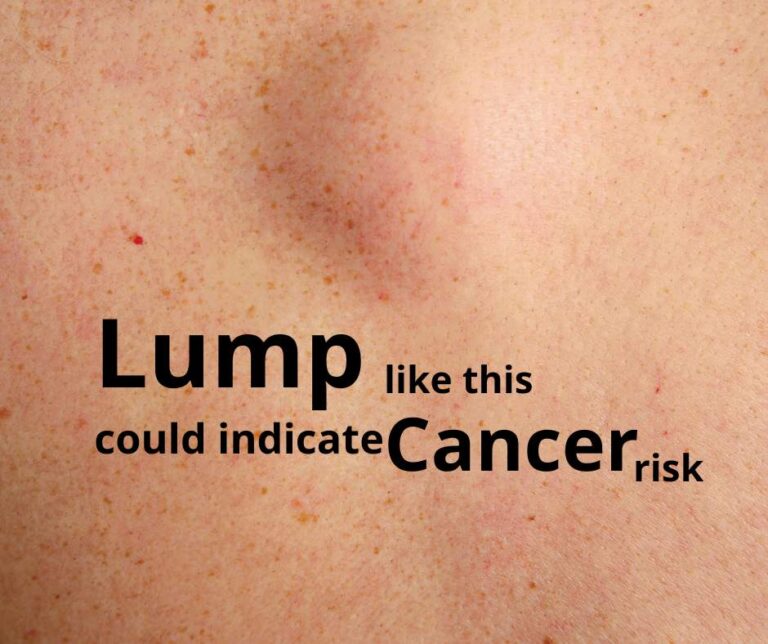
6. Lumps in the Body: Classic Signs of Cancer That Shouldn't Be Ignored
Finding lumps in the body can be one of warning signs of cancer, particularly soft tissue sarcomas and bone cancer. Although these cancers are relatively rare, they can significantly impact a patient’s quality of life.
Characteristics of Suspicious Lumps
Lumps that may indicate cancer often:
- Grow rapidly, especially if larger than 5 centimeters
- Are painless to touch
- Appear in unusual locations such as limbs, torso, or head and neck
May be accompanied by other symptoms like fatigue, weight loss, or loss of appetite
Soft Tissue Cancer Screening
If soft tissue cancer is suspected, doctors will typically:
- Perform a thorough physical examination and take a detailed medical history
- Order imaging tests such as CT scans or MRIs
- Conduct a biopsy for pathological examination
- Possibly recommend additional tests like PET scans to check for metastasis
Treatment for soft tissue cancer depends on the type and stage of the disease, usually involving surgery combined with radiation therapy and/or chemotherapy.

Bone Cancer Screening
For bone cancer, in addition to lumps, other symptoms may include:
- Bone pain, especially at night or during rest
- Unusual bone fractures or breaks
- Bone deformities
Bone cancer
diagnosis typically involves:
- Physical examination and medical history review
- Imaging tests such as X-rays, CT scans, or MRIs
- Biopsy for pathological examination
- Possibly additional tests like bone scans to check for metastasis
Treatment for bone cancer varies based on the type and stage of the disease, potentially including surgery, chemotherapy, and/or radiation therapy.
7. Unusual Hearing Changes: A Potential Sign of Cancer
Experiencing tinnitus or hearing abnormalities could be signs of cancer, particularly nasopharyngeal cancer, which is prevalent among Asian populations. It’s crucial to be aware of these potential warning signs:
Tinnitus and Hearing-Related Symptoms:
- One-sided or bilateral ear fullness
- Ringing or buzzing sounds in the ears (tinnitus)
- Gradual deterioration of hearing
- Sensation of fluid in the ear
If these symptoms persist for more than 2-3 weeks, it’s advisable to consult a doctor for a proper diagnosis.

Frequent Nosebleeds: Another Potential Warning
Recurrent nosebleeds, especially if they occur on one side, may also indicate nasopharyngeal cancer. Be vigilant for:
- Frequent nosebleeds, particularly on one side
- Blood-tinged nasal discharge
- Prolonged one-sided nasal congestion
- Difficulty breathing through the nose
While these symptoms don’t necessarily indicate cancer, they warrant medical attention to determine the underlying cause.
Diagnosing Nasopharyngeal Cancer
Several methods are employed to diagnose nasopharyngeal cancer:
- General physical examination and medical history review
- Nasal and throat endoscopy
- Imaging tests such as CT scans or MRI
- Biopsy for pathological examination
When cancer is detected in its early stages, the chances of successful treatment are significantly higher. Treatment typically involves a combination of radiation therapy and chemotherapy, tailored to the stage of the disease and the patient’s overall health condition.
In conclusion, being attentive to unusual bodily changes is crucial for early cancer detection. Signs of cancer to watch for include abnormal bowel movements, difficulty swallowing, persistent cough, unusual vaginal discharge, slow-healing wounds, unusual lumps in the body, and tinnitus. If you experience any of these symptoms, seek medical advice promptly. Regular screenings can greatly improve the chances of successful treatment and recovery.
Read our articles
Read other related articles
- Signs and Symptoms of Cancer by The American Cancer Society medical and editorial content team
- Cancer by MAYO Clinic
- Signs and symptoms of cancer by Cancer Research UK
- 7 Signs and Symptoms of Cancer by Wattanosoth Cancer Hospital
- Signs and symptoms-Cancer by NHS-UK