
@dr.pongbonetalk ท้าพิสูจน์!! อยากรู้มั้ยครับว่า ข้อเข่าของคุณอายุเท่าไหร่??!? #toktokcreator #ข้อเข่าเสื่อม #รีวิวสายสุขภาพ #ดูแลสุขภาพ #health #แข็งแรง #กายภาพบำบัด #สูงวัยใส่ใจสุขภาพ #แพทย์ #เข่าเสื่อม #หมอกระดูก #หมอโป้งคุยเฟื่องเรื่องกระดูก #หมอโป้ง #เทรนด์วันนี้ ♬ original sound - หมอโป้ง คุยเฟื่องเรื่องกระดูก
Taking care of your knees is crucial and should not be overlooked. While osteoarthritis knee problems are common in older adults, they are increasingly found in younger people due to inappropriate lifestyle habits. Checking your knee health on your own is a simple method that allows you to manage your knee health promptly.
1. Self-Testing Knee Health
One of the simplest ways to assess the health of your knees is to perform a squat and stand test. If you can do this without experiencing knee pain, it indicates that your knees are still strong. However, if you feel knee pain or need to stand up slowly, it might be a sign of osteoarthritis in the knee.
Testing Steps
- Squat Down: Keep both feet flat on the ground. Squatting helps you evaluate the flexibility and strength of the muscles around your knee.
- Stand Up Without Using Your Hands: This will help you accurately assess the strength of your leg and knee
- Observe for Knee Pain or Difficulty Standing Up: If you experience knee pain or difficulty standing, consider consulting a doctor.

Results and Evaluation
- If there is no knee pain and you can stand up easily, your knees are in good health.
- If you experience knee pain or stiffness, it is advisable to consult a doctor for further advice.
- Regularly checking your knee health will help you monitor changes and prevent potential problems.
Knee Treatment for Pain After Testing
- Rest and Avoid Overusing Your Knee: Resting allows your muscles and knee to recover.
- Stretch the Muscles Around the Knee: Increasing flexibility through stretching helps improve blood circulation and reduce muscle tension.
- Consume Nutrient-Rich Foods for Knee Health: Foods containing calcium and vitamin D help strengthen bones and joints.


2. Signs and Symptoms of Osteoarthritis in the Knee
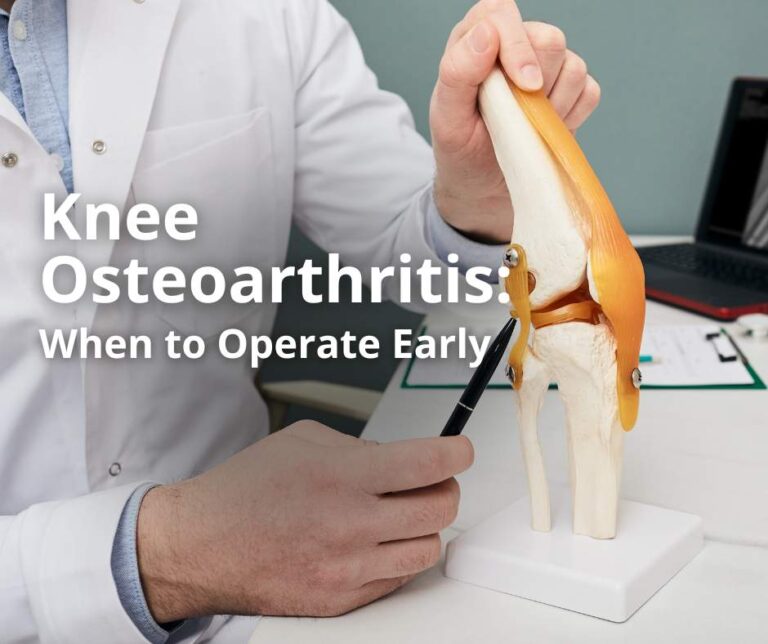
Osteoarthritis in the knee is a condition resulting from the degeneration of cartilage within the knee joint. This can lead to knee pain and stiffness. Recognizing the signs and symptoms of osteoarthritis knee can help you manage the condition promptly.
Pain and Limited Movement
- Knee pain during movement or after heavy use: This pain might occur after walking or standing for long periods.
- Stiffness in the knee in the morning or after sitting for a long time: Morning stiffness is a sign of osteoarthritis in the knee.

Physical Changes in the Knee
- Swelling and a grating sound in the knee when moving: The grating sound results from the friction of degenerated cartilage.
- Deformity of the knee, such as bow-leggedness: Deformities can result from cartilage wear and changes in bone structure.
Diagnosis and Treatment
Diagnosing and treating osteoarthritis knee is crucial for managing symptoms and preventing further degeneration. Consulting a specialist ensures appropriate and timely care.
- Diagnosis
- Medical history and physical examination: A doctor will begin by asking about your medical history, including knee pain and limited movement, followed by a physical exam to assess flexibility, strength, and movement of the knee.
- X-ray imaging: X-rays are used to examine the condition of the bones and knee joint, helping doctors see cartilage degeneration and bone structure changes.
- MRI scans: MRI provides detailed images of soft tissues, such as cartilage, ligaments, and muscles around the knee, offering a clear view of potential degeneration.
- Blood tests: In some cases, blood tests may be ordered to check for signs of inflammation or other diseases related to knee pain.

- Treatment
There are various knee treatment for pain options, depending on the severity of symptoms and patient needs.
- Medication: Non-steroidal anti-inflammatory drugs (NSAIDs) like ibuprofen or acetaminophen are commonly used to reduce knee pain and inflammation. Some medications may have side effects, so they should be used as directed by a doctor.
- Physical therapy: Physical therapy strengthens muscles around the knee and increases flexibility. Proper movement training reduces stress on the knee and prevents injury.
- Injections: In some cases, doctors may recommend injections into the knee, such as hyaluronic acid or steroids, to help reduce knee pain and increase lubrication in the joint.
- Surgery: If non-surgical treatments are ineffective, surgery may be recommended, such as knee replacement or cartilage repair. Surgery is a last resort for severe cases affecting quality of life.
- Post-Treatment Rehabilitation
- Rehabilitation: After treatment or surgery, rehabilitation is crucial for returning to normal daily activities. Physical therapy and light exercise help build strength and flexibility in the knee.
- Ongoing self-care: Continuous care of knee health is important. Follow the advice of doctors and physical therapists regarding exercise and lifestyle adjustments.
3. Caring for and Preventing Osteoarthritis in the Knee
Preventing osteoarthritis in the knee can be achieved by properly caring for the health of your knee. Good care reduces the risk of developing osteoarthritis knee and helps you live life to the fullest.
Exercise for Knee Health
Exercise plays a crucial role in preventing and alleviating symptoms of osteoarthritis knee. Choosing the right activities can strengthen the muscles around the knee and reduce pressure on it.
- Swimming and Water Walking: Swimming is an exercise that reduces pressure on the knee because water supports body weight, allowing smooth movement without causing knee pain. Walking in water also strengthens muscles and increases the flexibility of the knee.
- Low-Resistance Cycling: Cycling helps build leg and knee muscles without excessive pressure. Adjusting the resistance level appropriately enhances the effectiveness of the exercise.
- Yoga and Pilates: Practicing yoga and Pilates increases the flexibility and strength of muscles around the knee. Yoga poses focusing on stretching and balance help reduce muscle tension and the risk of injury.

Healthy Eating for Knee Health
Diet plays a significant role in treating and preventing osteoarthritis knee. Choosing nutritious foods strengthens bones and joints.
- Calcium and Vitamin D: Consuming calcium-rich foods like milk, yogurt, and cheese strengthens bones. Vitamin D aids in calcium absorption and bone strengthening.
- Omega-3: Eating salmon, tuna, and nuts with omega-3 helps reduce inflammation and relieve knee pain.
- Antioxidants: Vegetables and fruits high in antioxidants, such as blueberries, strawberries, and leafy greens, help reduce inflammation and prevent the degeneration of the knee.
Relaxation Techniques to Reduce Knee Stress
Stress and muscle tension can affect knee health. Relaxation techniques help reduce stress and increase muscle flexibility.
- Massage Therapy: Massage improves blood circulation and reduces muscle tension around the knee. Regular massages help alleviate knee pain and increase the flexibility of the knee.
- Breathing and Meditation: Deep breathing and meditation reduce stress and balance the body. Meditation calms the mind and reduces muscle tension.
Daily Knee Health Care
Taking care of your knee health daily is essential to avoid problems related to osteoarthritis knee.
- Choosing the Right Footwear: Select shoes with good support suitable for your activities. Proper footwear reduces pressure on the knee and prevents injuries.
- Avoiding High Heels: Wearing high heels for long periods can increase pressure on the knee. Opt for low-heeled and comfortable shoes.
- Adjusting Lifestyle Habits: Avoid standing or sitting in the same position for long periods. Changing positions frequently reduces pressure on the knee. Maintaining a healthy weight also reduces pressure on the knee and lowers the risk of developing osteoarthritis knee.
Annual Health Check-Ups
- Annual health check-ups help you monitor the health of your knee and receive advice from medical experts.
- Health check-ups also enable you to address potential problems promptly.
Supplements and New Innovations
- Supplements containing glucosamine and chondroitin can help strengthen cartilage and reduce knee pain.
- New innovations, such as natural extracts supported by research, can effectively restore knee health.
Caring for your knee health is crucial because osteoarthritis knee affects not only movement but also overall quality of life. Regularly checking your knee and properly caring for your knee health will help you maintain healthy knees and live life to the fullest.
Read our articles
Read other related articles
- Knee Osteoarthritis by National Library of Medicine
- Osteoarthritis of the Knee by Cleveland Clinic
- Osteoarthritis of the Knee (Degenerative Arthritis of the Knee) by David Zelman, MD, Written by WebMD Editorial Contributors
- 6 Key Warning Signs for Knee Osteoarthritis by Samitivej Hospital
- Osteoarthritis by NHS